-

-
Are marine geophysical surveys used for offshore construction?
- WillianBarrer 3 Months+ 42
Building and anchoring heavy industrial structures in deep water corridors presents massive engineering and logistical challenges. Are marine geophysical surveys used for offshore construction projects to ensure long-term structural stability and environmental compliance? Absolutely, comprehensive subsea geological exploration is a foundational requirement during every phase of planning, building, and maintaining modern offshore facilities. Attempting to place heavy marine assets without detailed geophysical data results in catastrophic structural settling, broken drilling gear, and massive financial losses.
Offshore projects like wind energy platforms, open-water terminals, and deep-sea utility links must withstand immense water forces and shifting currents. Geophysical surveys show engineers exactly what lies beneath the immediate seabed, allowing them to anchor structures into solid geological formations. Utilizing Marine Geophysical Survey BC gives marine contractors the precise subsurface geoscientific data needed to execute large-scale offshore construction projects safely and profitably.
Pre-Project Engineering with Marine Geophysical Survey BC
Before an offshore construction barge mobilizes to your open-water site, developers must understand the exact layout of subsurface geological layers. Marine geophysical survey BC delivers highly detailed sub-bottom elevation models that calculate the exact depth of solid bedrock formations. These upfront calculations eliminate structural design errors and ensure that foundations are engineered correctly for site conditions.
Mapping Bedrock Depth for Heavy Foundation Anchors
Heavy industrial platforms driven into open water depend on secure anchors embedded deep into solid rock layers to stay upright during winter storms. Sub-bottom profiling arrays look through hundreds of feet of loose seabed sediment to map out bedrock depths across the site. This tracking ensures that engineers order the correct piling styles and lengths before setting out to sea.
Identifying Shallow Gas Pockets and Unstable Mud Zones
Deep-water sediment layers often contain trapped pockets of high-pressure natural gas or ancient, loose mud valleys that carry high shifting risks. Geophysical sensors identify these sub subsurface hazards early, allowing construction crews to route their drilling work safely away from danger. Spotting these zones prevents sudden gas blowouts and structural shifting during foundation installations.
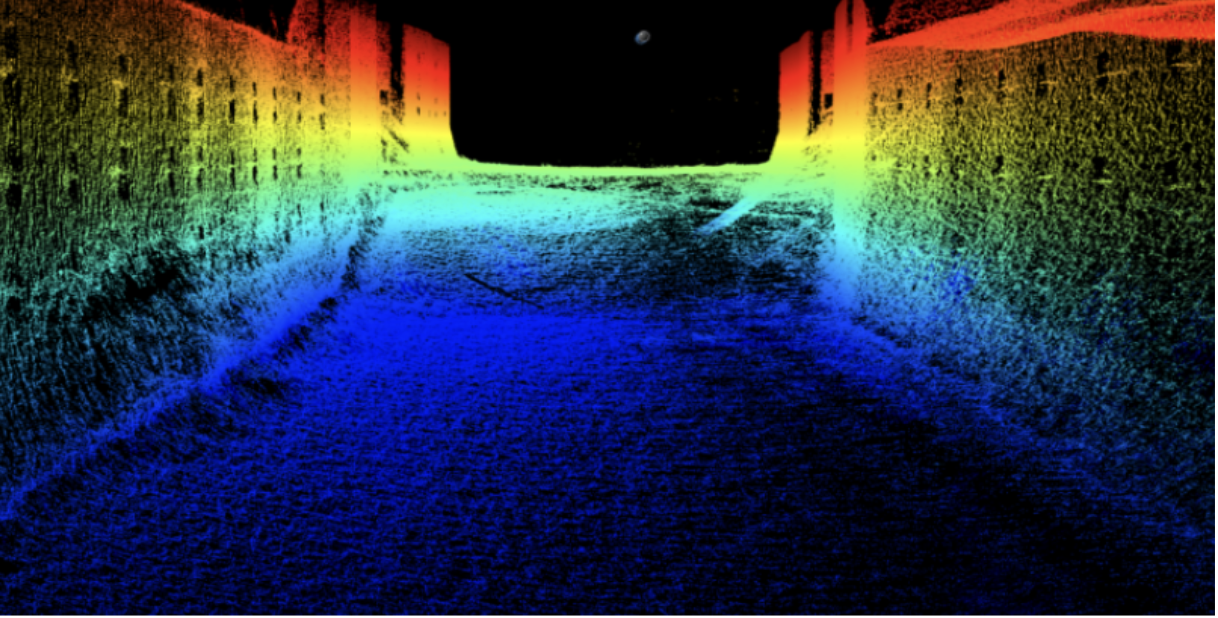
Asset Safety Tracking via Marine Geophysical Survey BC
Once an offshore structure is built, ongoing underwater geological monitoring is necessary to protect the asset from current erosion and soil shifting. Professional marine geophysical survey BC provides official post-construction sub-bottom charts that confirm foundations remain completely secure. These certified documents allow energy firms and industrial operators to run their open-water assets with total confidence.
Monitoring Foundation Scour and Sediment Stripping
Powerful open-ocean currents can swirl around heavy platform legs, stripping away the protective sand and gravel layers that hold anchors in place. Geophysical scans review the density and layout of soils surrounding foundations to catch this erosion early. Finding these scour trends allows maintenance managers to deploy protective rock armor before anchors become unstable.
Verifying Cable Anchor Integrity and Trench Coverage
Offshore platforms are connected to onshore networks via heavy power cables and pipelines that must be buried safely beneath the seabed. Geophysical mapping tracks these utility trenches to confirm that shifting sands have not exposed the lines to dragging ship anchors. This protective tracking helps companies avoid emergency power shutdowns and expensive subsea salvage works.
Key Survey Phases in an Offshore Construction Campaign
A successful open-water construction project moves through distinct geoscientific testing phases to guarantee absolute structural safety. Every industrial offshore development relies on the following subsea data collection steps:
- Geological Baseline Scanning: Mapping deep sub-bottom sediment and bedrock layers to select the ideal building location.
- Hazard Mitigation Surveys: Running magnetometers and side-scan sonar to locate old shipwrecks or unexploded military gear.
- Foundation Depth Verification: Using acoustic profilers to track piling depths as columns are driven into the seabed.
- Long-Term Asset Reviews: Conducting routine repeating surveys to monitor soil stability and foundation scour patterns over time.
Conclusion
Selecting the right commercial diving partner is a critical decision that directly impacts the safety and longevity of your marine infrastructure. Working with inexperienced teams can result in incomplete data, missed structural defects, and costly project delays.
Prioritizing certified professionals ensures your underwater assets are monitored using the highest standards of accuracy and safety. Utilizing Marine Geophysical Survey BC guarantees that your commercial subsea assets remain structurally sound, fully compliant, and operational for years to come.
|
|
|---|---|
|
|
|
- Time: 0.068, SQL: 12