-

-
Medicine Delivery App Development Cost in 2026
- sanjayaalpha 3 Months+ 50
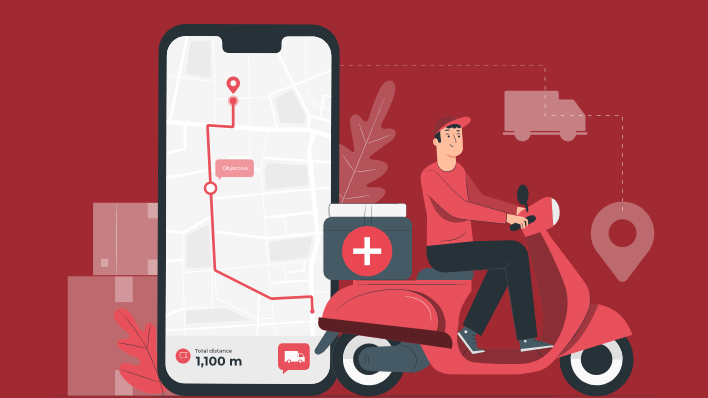
The demand for online healthcare services continues to grow, making medicine delivery applications an important solution for pharmacies, hospitals, and healthcare startups. Customers expect a convenient way to upload prescriptions, order medicines, make secure payments, and receive products at their doorstep. As a result, many businesses are investing in custom applications to improve customer service and streamline operations.
One of the first questions business owners ask is about medicine delivery app development cost. The cost depends on several factors, including app complexity, features, technology stack, design requirements, platform selection, and development team location. Understanding these factors can help businesses create a realistic budget before starting a project.
What Is the Average Medicine Delivery App Development Cost in 2026?
The medicine delivery app development cost in 2026 can range from $20,000 to $120,000 or more, depending on project requirements.
Here is an estimated cost breakdown:
App Type | Estimated Cost |
Basic Medicine Delivery App | $20,000 – $35,000 |
Medium Complexity App | $35,000 – $70,000 |
Advanced Medicine Delivery App | $70,000 – $120,000+ |
A basic application includes essential ordering and delivery features, while advanced platforms may include AI recommendations, analytics dashboards, and integrations with pharmacy management systems.
Factors Affecting Medicine Delivery App Development Cost
Several factors influence the total development budget.
1. App Features and Functionality
Features have the biggest impact on overall cost.
Basic features include:
User registration and login
Medicine search
Prescription upload
Shopping cart
Secure payment gateway
Order tracking
Notifications
Advanced features include:
AI-based recommendations
Video consultations
Subscription plans
Multi-language support
Loyalty programs
Inventory management
Advanced analytics
The more features added, the higher the development cost.
2. Platform Selection
Businesses can choose among three approaches:
Native App Development
Developing separate applications for Android and iOS offers excellent performance but requires a larger budget.
Cross-Platform Development
Frameworks like Flutter and React Native allow developers to build one application for multiple platforms, reducing costs.
Progressive Web Apps
These applications work through browsers and can be a budget-friendly alternative for some businesses.
Cross-platform development is often preferred for reducing the medicine delivery app development cost.
3. UI and UX Design
Simple interfaces cost less compared to custom interactive designs.
Design expenses depend on:
Number of screens
Custom animations
User journey complexity
Branding requirements
Accessibility features
A user-friendly interface improves customer satisfaction and encourages repeat orders.
4. Backend Development
The backend manages all operations behind the scenes.
It handles:
User data
Order management
Inventory tracking
Prescription verification
Payment processing
Delivery management
A robust backend requires additional development time and investment.
5. Third-Party Integrations
Medicine delivery applications often require integrations such as:
Payment gateways
SMS services
Google Maps
Pharmacy databases
Customer support systems
Analytics tools
Each integration can increase project expenses.
6. Security and Compliance Requirements
Healthcare applications handle sensitive patient information, making security essential.
Security measures include:
Data encryption
Multi-factor authentication
Secure APIs
Role-based access controls
Compliance standards
Additional security features can increase development costs but are necessary for protecting user data.
Key Features Included in a Medicine Delivery App
A complete medicine delivery platform usually contains three separate panels.
Customer App Features
User registration
Medicine search
Prescription upload
Product details
Cart management
Order placement
Payment options
Delivery tracking
Notifications
Reviews and ratings
Delivery Agent Features
Order assignment
Route optimization
Delivery status updates
Earnings dashboard
Navigation support
Admin Panel Features
User management
Pharmacy management
Inventory monitoring
Order management
Reports and analytics
Customer support management
Adding all these modules significantly affects the medicine delivery app development cost.
Technology Stack Used for Development
Technology choices influence performance and budget.
Frontend Technologies
Flutter
React Native
Swift
Kotlin
Backend Technologies
Node.js
Laravel
Python
Java
Databases
PostgreSQL
MySQL
MongoDB
Cloud Services
AWS
Google Cloud
Microsoft Azure
Selecting the right technology stack helps ensure scalability and long-term reliability.
Estimated Development Timeline
The project timeline directly impacts costs.
Development Stage | Estimated Duration |
Planning and Research | 2-3 Weeks |
UI/UX Design | 3-4 Weeks |
Frontend Development | 6-10 Weeks |
Backend Development | 6-10 Weeks |
Testing | 2-4 Weeks |
Deployment | 1 Week |
The entire project may take 3 to 6 months depending on complexity.
Ways to Reduce Medicine Delivery App Development Cost
Businesses can optimize their budgets using these strategies.
Start With an MVP
Build only essential features initially.
Examples:
User registration
Medicine search
Prescription upload
Payments
Order tracking
Additional features can be added later.
Choose Cross-Platform Development
Building one codebase for multiple platforms can reduce expenses.
Prioritize Necessary Features
Avoid adding unnecessary functionalities during the first launch.
Use Ready-Made Integrations
Existing payment and notification services reduce development time.
Work With Experienced Developers
An experienced team can minimize errors and avoid expensive rework.
Hidden Costs Businesses Should Consider
Many companies focus only on development expenses and overlook ongoing costs.
Additional expenses include:
App Maintenance
Regular updates and bug fixes are necessary.
Estimated annual cost:
15% to 20% of the original development budget.
Server Hosting
Cloud infrastructure costs vary according to traffic and storage requirements.
Marketing
Customer acquisition may require investment in:
SEO
Social media advertising
Paid campaigns
Email marketing
Customer Support
Dedicated support teams improve customer retention.
These operational costs should be included in long-term planning.
Frequently Asked Questions
1. What is the average medicine delivery app development cost in 2026?
The average medicine delivery app development cost ranges from $20,000 to $120,000+, depending on features, integrations, and project complexity.
2. How long does it take to build a medicine delivery app?
Development usually takes 3 to 6 months, depending on the app requirements.
3. Which features are essential for a medicine delivery app?
Important features include medicine search, prescription upload, secure payments, order tracking, notifications, and an admin dashboard.
4. Does cross-platform development reduce costs?
Yes. Cross-platform frameworks such as Flutter and React Native help reduce development time and overall expenses.
5. What ongoing expenses should businesses expect?
Businesses should budget for maintenance, cloud hosting, marketing, security updates, and customer support services.
Conclusion
Understanding the medicine delivery app development cost helps businesses plan their budgets more effectively. The total investment depends on app complexity, features, platform selection, security requirements, and third-party integrations. While a basic application can be launched with a smaller budget, advanced solutions require a larger investment to support scalability and long-term growth.
Businesses should focus on essential features first and expand the application gradually based on customer needs. Careful planning and choosing the right development approach can help create a reliable medicine delivery platform while keeping costs under control.
For More Information Follow “postfreeclassifiedads”
Medicine,delivery,app,development,cost
|
|
|---|---|
|
|
|
- Time: 0.046, SQL: 18