Publish your ad for free
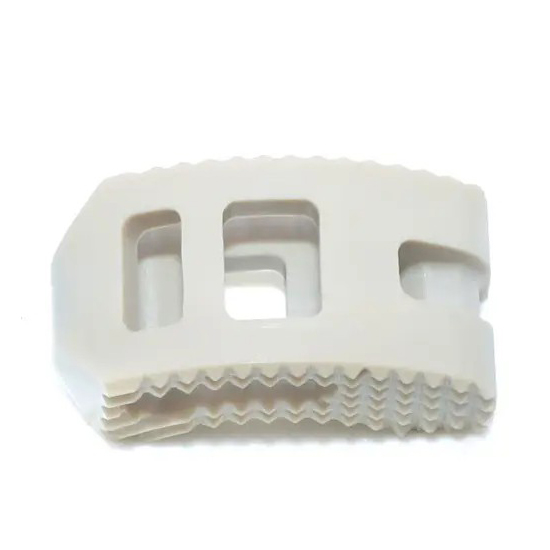
Spinal,Internal,fixators
Back
- Global
- Spinal Internal Fixators: A Comprehensive Analysis Of Definition, Common Types, Usage, And Removal Necessity
-

-
Spinal Internal Fixators: A Comprehensive Analysis Of Definition, Common Types, Usage, And Removal Necessity
- shiyiqi 2 Hours+ 1
What Are Spinal Internal Fixators?
Spinal internal fixators are implantable devices commonly used in spinal surgery. They primarily secure fractured bone ends or bones directly via metal instruments to help maintain the reduced position of bones. These devices play a critical role in scenarios such as open reduction of fractures and post-osteotomy procedures, providing support for spinal stability and promoting postoperative recovery in patients.
Common Types of Spinal Internal Fixators
The design of spinal internal fixators must adapt to different spinal diseases and surgical requirements. Common types include the following:
1. Pedicle Screw Fixation System
This is a widely used fixation method in clinical practice. Screws are precisely fixed into the pedicles of the vertebrae adjacent to the injured vertebra, then connected via rods to form a stable structure, thereby immobilizing the injured vertebra. Its core advantage is providing strong biomechanical stability, and it is often used in conditions requiring precise reduction such as traumatic fractures of the thoracolumbar spine.
2. Posterior Spinal Internal Fixation Device
This type of device usually consists of components such as plates and screws, and is suitable for posterior spinal surgery. Implanted through a posterior approach, it helps fix the posterior spinal structures, and is commonly used in surgeries for spinal degenerative diseases, spinal deformity correction, etc., to maintain spinal alignment and stability.
3. Minimally Invasive Screw-Rod System
With the development of minimally invasive technology, minimally invasive screw-rod systems have gradually become popular. It is implanted through smaller surgical incisions, reducing damage to surrounding tissues, and is suitable for the treatment of various spinal diseases, including spinal injuries caused by trauma, tumor-related spinal lesions, congenital or acquired spinal deformities, and degenerative spinal diseases (such as lumbar disc herniation, spinal stenosis, etc.).
Usage of Spinal Internal Fixators
The use of spinal internal fixators requires a combination of surgical operation and postoperative care to ensure therapeutic effect and safety:
Surgical Operation: Individualized Selection and Precise Implantation
During surgery, doctors will select the appropriate type of internal fixator and fixation method based on the patient's specific condition (such as fracture type, degree of spinal deformity, location of the lesion, etc.). The implantation process is completed with the assistance of imaging to ensure precise positioning of the instruments, avoid damage to important structures such as surrounding nerves and blood vessels, and ultimately achieve stable fixation of the spine.
Postoperative Care: Scientific Rehabilitation to Reduce Complication Risks
Postoperative care is crucial for the long-term effect of internal fixators. Patients need to follow the doctor's instructions for rehabilitation training, while avoiding strenuous exercise, excessive weight-bearing, large-scale waist twisting or side-lying movements, and impact on the affected area. These measures can reduce the risk of wear, loosening or breakage of the internal fixator, and help the spine heal gradually in a stable environment.
Do Spinal Internal Fixators Need to Be Removed?
Regarding whether internal fixators need to be removed, there is a clear consensus in clinical practice: **more than 95% of spinal internal fixators do not need to be removed**. Internal fixators help stabilize the spine in the early postoperative period. As the bone heals and spinal function recovers, their role is gradually replaced by the body's own bones. In addition, modern internal fixation materials have good biocompatibility, and long-term retention in the body usually does not cause adverse reactions.
Only in very rare cases (such as when a patient experiences obvious local pain, foreign body sensation, or complications such as loosening or breakage of the internal fixator) will a doctor evaluate the necessity of removal. However, it should be noted that removing an internal fixator requires a secondary surgery, and postoperative symptoms may not completely disappear. Therefore, whether to remove it needs to be comprehensively judged by a professional doctor based on the patient's specific situation.
Conclusion
Spinal internal fixators are an indispensable auxiliary tool in spinal surgery. By stabilizing fractured or lesioned parts, they provide support for spinal healing and functional recovery. Understanding their types, usage and removal principles helps patients better cooperate with treatment and rehabilitation. If you need to further understand your own condition, it is recommended to consult a professional spine surgeon for individualized guidance.
Spinal,Internal,fixators
|
|
|---|---|
|
|
|
- Time: 0.081, SQL: 15