-

-
Sri Lanka Travel Guide: Everything International Travelers Need to Know
- JournedriLanka1 3 Hours+ 3
Sri Lanka Travel News: Tourism Developments, Emerging Destinations and New Travel Experiences
Discover the changing tourism landscape of Sri Lanka, the growing popularity of regional destinations, and the opportunities shaping the future of the island's travel industry.
Sri Lanka continues to attract international attention as a destination offering beautiful landscapes, cultural heritage, wildlife, traditional communities, and diverse travel experiences. The country's tourism industry has considerable potential to develop through new destinations, innovative tourism products, and stronger connections with local communities.
For travelers, tourism developments create new opportunities to discover different parts of the island. For local entrepreneurs, they create possibilities to develop businesses, introduce cultural experiences, and participate in the growing travel economy.
Following Sri Lanka Travel News can help visitors understand emerging travel opportunities, discover interesting destinations, and stay informed about developments across the country's tourism sector.
Sri Lanka's Changing Tourism Landscape
Sri Lanka's tourism industry has evolved considerably over the years. International travelers are increasingly interested in discovering experiences that go beyond conventional sightseeing.
While beaches, wildlife parks, historical landmarks, and popular cities remain important attractions, there is growing potential for cultural immersion, culinary tourism, community experiences, and local adventure activities.
Travelers are also showing interest in discovering destinations that offer different perspectives on the country's identity.
This creates opportunities for regions that have historically received less international tourism attention.
Northern and Eastern Sri Lanka, for example, offer distinctive cultural experiences, coastal landscapes, traditional livelihoods, and historical attractions that can contribute to a more diverse tourism industry.
Northern Sri Lanka Emerging as an Interesting Travel Destination
Northern Sri Lanka offers a distinctive combination of cultural heritage, traditional food, island landscapes, and community experiences.
Jaffna is an important destination for travelers interested in understanding the cultural identity of the Northern Province.
Its historical attractions, temples, traditional markets, local cuisine, and surrounding islands create opportunities for meaningful travel experiences.
Delft Island, Jaffna Fort, and Nallur Kandaswamy Temple are among the places that attract visitors interested in history and cultural exploration.
Beyond these well-known locations, travelers can discover village communities, traditional occupations, and local craftsmanship.
The development of community-based tourism can help introduce these experiences to a wider international audience.
Jaffna Tourism and New Opportunities for Travelers
Jaffna Tourism has considerable potential to attract visitors interested in authentic cultural experiences.
The region's food culture is one of its distinctive attractions. Traditional Jaffna cuisine, seafood, crab curry, palmyrah products, and local cooking practices provide visitors with opportunities to discover the area's culinary identity.
A detailed Jaffna Travel Guide can help visitors explore historical landmarks, nearby islands, local markets, and community-based experiences.
Tourism entrepreneurs can also develop new products around traditional cooking, handicrafts, village visits, and cultural learning.
These opportunities can create additional income for local communities while strengthening Jaffna's identity as a travel destination.
Sri Lanka Culture and Heritage in Modern Tourism
Cultural tourism plays an important role in introducing international visitors to the country's traditions.
Sri Lanka Culture includes traditional festivals, religious celebrations, food practices, music, handicrafts, and diverse community lifestyles.
Travelers interested in Sri Lanka Heritage can discover historical buildings, ancient temples, archaeological sites, and traditional cultural landmarks.
In Northern Sri Lanka, visitors can explore Tamil cultural traditions, traditional architecture, religious heritage, and regional culinary practices.
Developing these experiences responsibly can create economic opportunities while encouraging the preservation of cultural knowledge.
New Things to Do in Sri Lanka
Modern travelers are interested in activities that allow them to experience destinations more deeply.
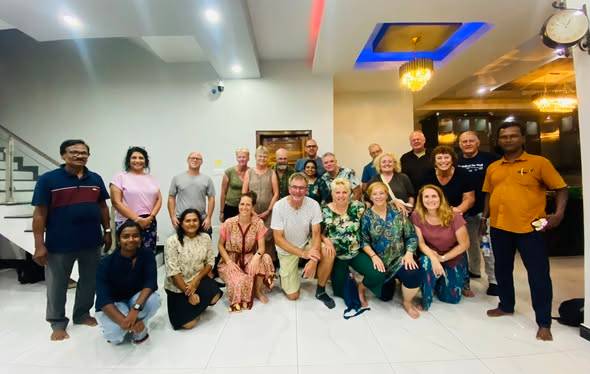
There are many Things to Do in Sri Lanka, including hiking, wildlife exploration, island excursions, traditional cooking, cultural workshops, and historical exploration.
The country's diverse Sri Lanka Attractions allow visitors to combine different experiences within a single itinerary.
Community-based activities are particularly valuable because they create opportunities for travelers to interact with local people.
Traditional pottery, palmyrah craftsmanship, food preparation, agricultural activities, and village experiences can provide visitors with a better understanding of local livelihoods.
Community-Based Tourism Creating Local Opportunities
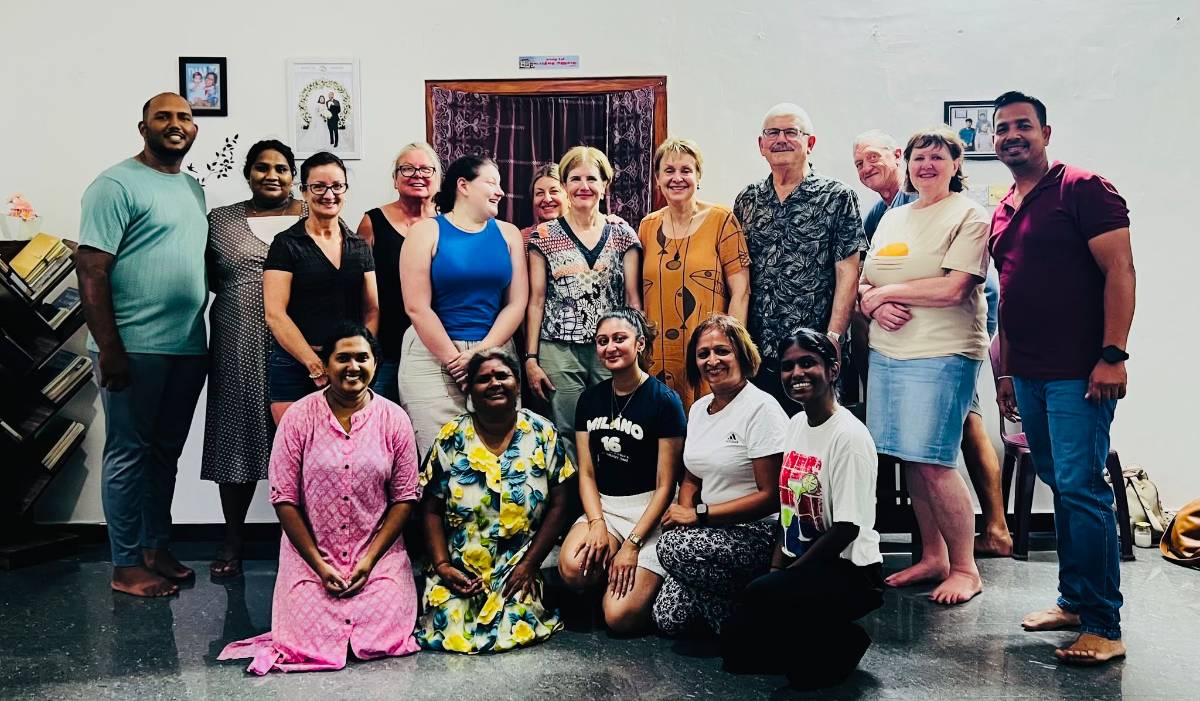
One important development in the tourism industry is the growing interest in experiences that directly involve local communities.
Sri Lanka Travel Experiences can introduce visitors to traditional livelihoods, family food practices, local entrepreneurs, and cultural activities.
Community-based tourism can help small businesses participate in the travel economy.
Local guides, artisans, food providers, accommodation operators, and traditional service providers can develop additional income opportunities through tourism.
It can also encourage younger generations to recognise the economic and cultural value of traditional knowledge.
The future of sustainable tourism will depend partly on how effectively these opportunities are developed and shared.
Sustainable Tourism and Responsible Travel
Sustainable tourism requires cooperation between businesses, travelers, communities, and tourism stakeholders.
Visitors can contribute by supporting locally owned businesses, respecting cultural traditions, reducing waste, and choosing responsible travel experiences.
Understanding the Sri Lanka Lifestyle through local communities also encourages more meaningful cultural exchange.
Tourism businesses can contribute by developing experiences that respect community interests, protect natural resources, and create long-term local benefits.
These principles are particularly important for emerging destinations where tourism development needs to balance economic opportunities with cultural and environmental protection.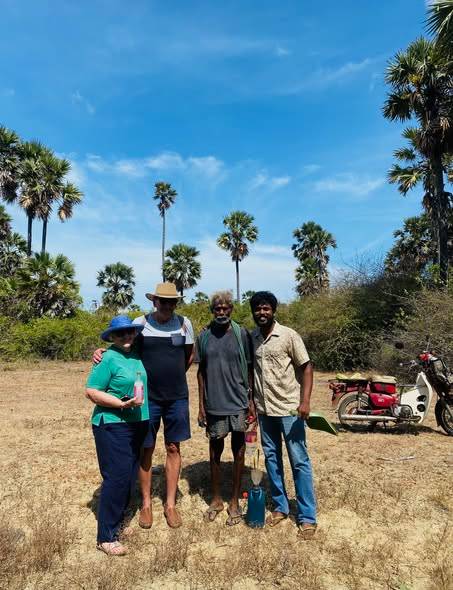
Understanding Sri Lanka's Local Tourism Developments
Following Sri Lanka Local News can help travelers and tourism stakeholders understand regional developments, local events, community activities, and emerging attractions.
For international visitors, reliable destination information is important when organising travel itineraries.
For local businesses, understanding tourism developments can help identify opportunities for partnerships, product development, and improved visitor services.
The growth of regional tourism also highlights the importance of stronger destination marketing and collaboration between tourism entrepreneurs.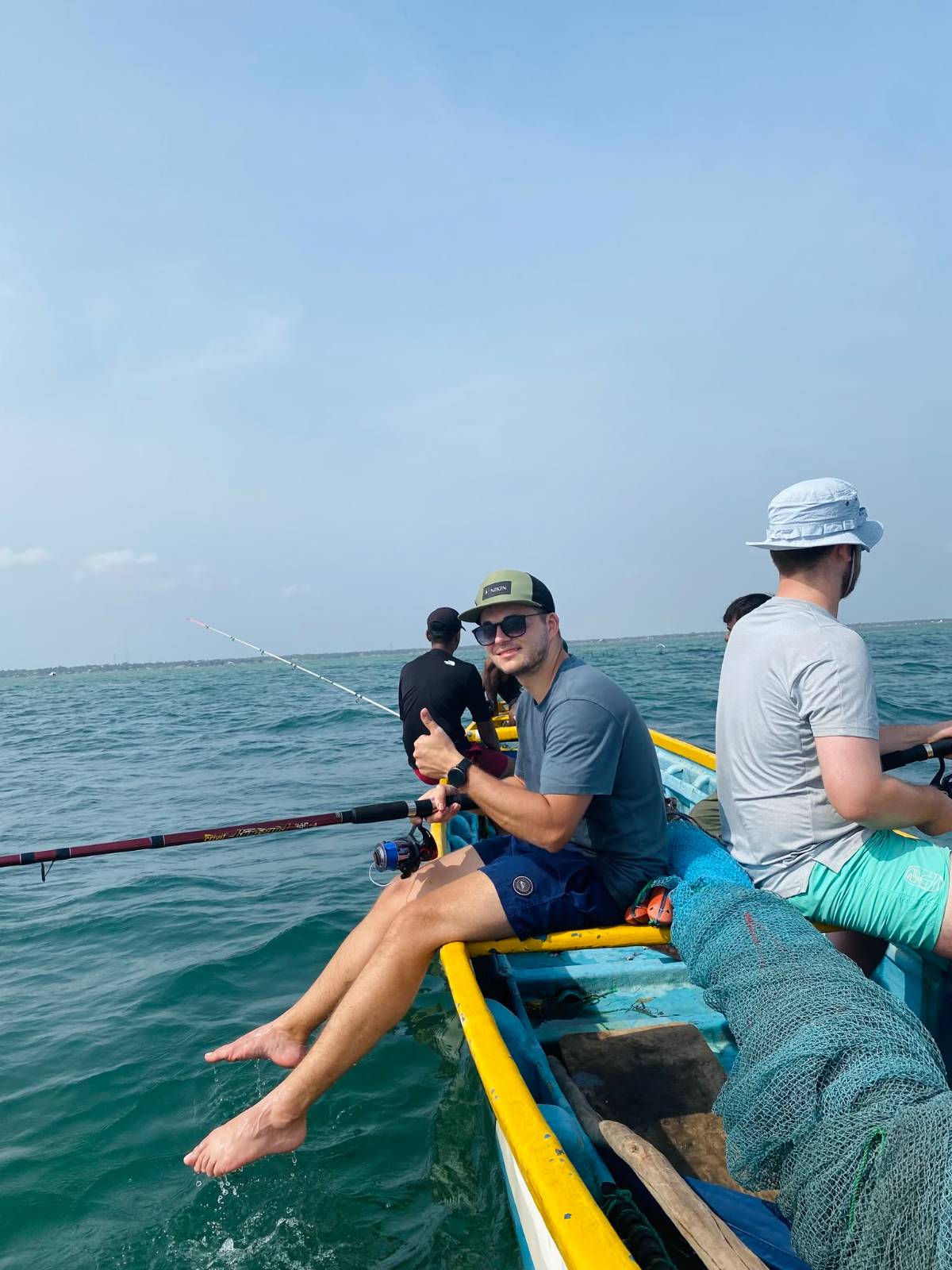
Exploring the Future of Sri Lanka Tourism
The future of Sri Lanka tourism offers opportunities beyond traditional travel products.
Cultural immersion, community-based experiences, culinary exploration, heritage tourism, and regional destination development can help diversify the country's tourism offering.
Northern Sri Lanka has an important role to play in this development through its distinctive culture, local communities, and emerging tourism experiences.
As more travelers discover different parts of the island, the tourism industry has an opportunity to create a more inclusive and diverse destination experience.
Sri Lanka's tourism future will be shaped not only by the places travelers visit, but also by the experiences they share and the communities that welcome them.
Sri,Lanka,travel,Guide
|
|
|---|---|
|
|
|
- Time: 0.026, SQL: 16