-

-
How door and window profiles get scratched before a building is even finished
- weslycapi 6 Hours+ 5
Door and window profiles get scratched because they are finished products living through the roughest weeks of a building project. The coating, whether powder coat, anodised aluminium or foil wrapped plastic, is complete before the frame leaves the factory, and from that moment everything the profile meets is a risk: stacked storage with grit between the lengths, cutting and drilling in the workshop, straps and rubbing in transport, and leaning against rough walls on site while other trades work around it. None of that damage needs carelessness. It needs only ordinary handling, repeated for weeks.
The damage is rarely one big event. It is twenty small contacts, each too minor to report, and every stage of the journey adds its own kind of mark. And unlike a wall, a profile cannot be filled and painted invisibly afterwards: a scratch in a powder coat catches the light for the life of the window. That is why the scratches happen before the building is finished, and why the only reliable fix is to protect the surface for the whole journey, from the factory bench to the final clean, instead of wrapping the frames for delivery day and hoping the site behaves.
Storage is the first danger
The trouble usually starts in storage, before a single frame is fitted. Profiles get stacked face to face with grit between them, leaned against blockwork that leaves its pattern in the coating, or laid on a yard where every passing boot grinds dust across the surface. Long lengths flex and rub their neighbours as they are lifted. None of this looks like damage while it happens. It looks like tidiness, or haste, or a lack of anywhere better to put things, and the bill only arrives when the frames are held up to the light at installation. Storage is a process, and it needs one.
Cutting, drilling and the workshop stage
Many profiles are marked before they even leave the fabricator. Saw benches collect swarf, and swarf is nothing but small knives waiting for a length of profile to slide across them. Clamps bite. Offcuts get tossed onto finished faces in a shared stillage. A frame can travel through measuring, cutting, drilling and assembly with its face dragged across every surface in the shop, and each contact leaves the coating a little thinner. Good fabricators treat the bench like part of the product, clearing swarf, padding clamps and keeping finished faces up and apart. The discipline shows in the deliveries. Clean benches are a quality system.
Transport rubs what handling started
On the road, the enemy is vibration. A load that looks still is moving against itself for every mile, and two coated faces rubbing gently for an hour will polish a dull patch into each other or wear through to bright metal at a corner. Straps tighten over edges and saw at them with every bump. Mixed loads add their own risks, with toolboxes, poles and lengths of steel sharing space with finished frames. The damage done in transit is quiet and even, which makes it easy to miss until the wrapping comes off in good light. By then the lorry has gone.
The site itself finishes the job
Once frames reach the building, they join a queue of hazards that runs until the last day of the contract. Mortar and plaster splash onto sills and set hard. Grinder sparks pit coated surfaces from metres away. Ladders lean where they should not, scaffold tubes swing through openings, and every trade that follows treats the installed window as part of the building rather than a finished product to step around. The later the stage, the cleaner the building and the sharper the contrast when a new scratch appears on a frame everyone can see. Nobody owns the damage, so everybody causes it.
Film that stays on from factory to final clean
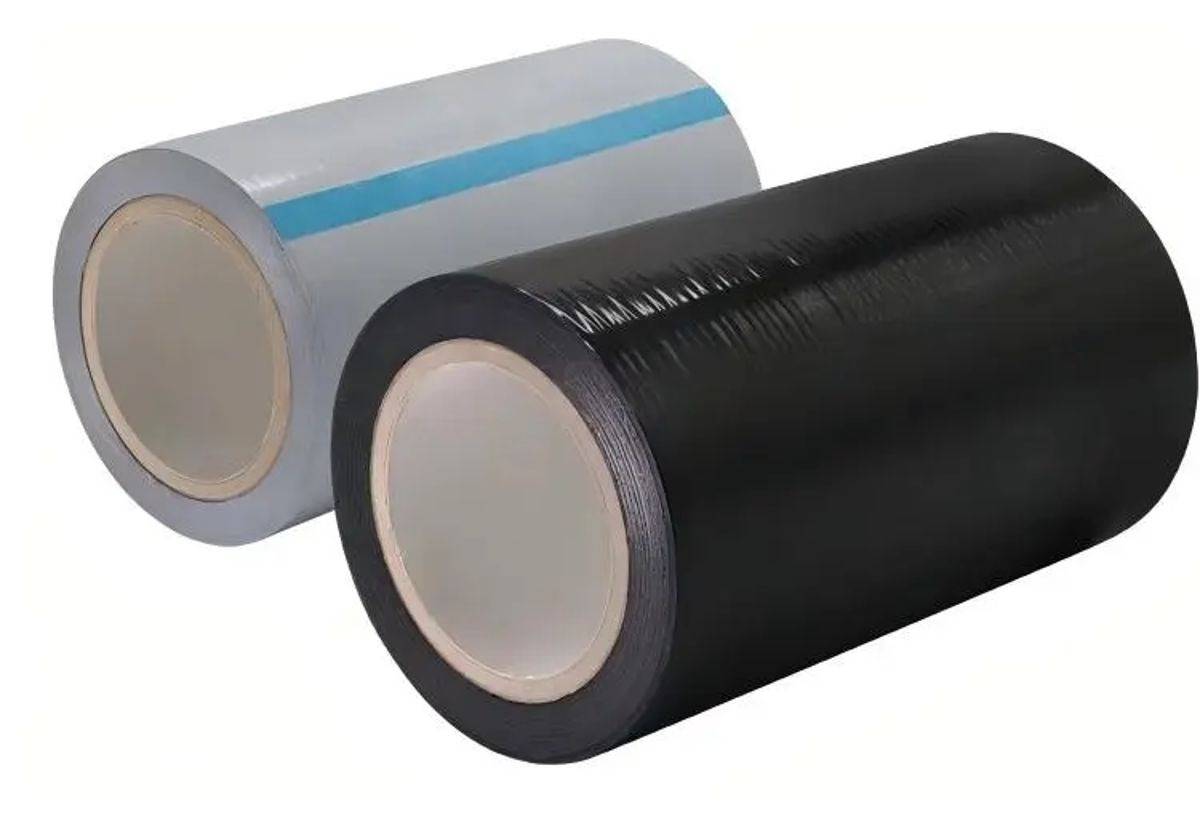
The pattern behind all of this is timing: the coating is finished first and protected last, if at all. The fix reverses it. A low tack film applied at the factory, before the profiles are stacked, rides with each length through storage, cutting, transport and fitting, taking the rub of straps and the splash of mortar in place of the coating. It peels away at the final clean, when the building can finally be trusted. Fabricators who work this way buy from a door and window profile protective film manufacturer that can match tack to each coating, because a film that marks an anodised finish while protecting it has failed at its only job. One film, worn for the whole journey, is the whole trick. What matters is that the film comes in tack grades matched to each finish, powder coated, anodised and foil wrapped alike.
What changes when profiles arrive protected
The difference shows up at the end of the job, in the snagging list. Unprotected frames collect the small wounds of the whole contract, and each one becomes a discussion about blame, touch up kits and whether a colour match is close enough. Protected frames come out of their film in the last week looking the way they left the factory, and the discussion never happens. A building will always be rough on finished things that arrive early. The choice is whether the roughness lands on the coating, or on a film that was designed to be thrown away. Protection is cheaper than the argument.
how,Door,and,Window,profiles,get,scratched,Before,A,Building,is,EVEN,finished
|
|
|---|---|
|
|
|
- Time: 0.029, SQL: 25